Key Points:
- Communication and social skills are essential for growth and independence.
- Early support helps children build confidence and meaningful connections.
- Blossom Kidz Academy provides personalized communication and social learning support.
For many parents, one of the biggest concerns is helping their child connect with the world around them. Communication is often about much more than speaking. It includes understanding others, expressing needs, building friendships, participating in activities, and feeling confident in everyday situations.
Children with autism and developmental differences may face challenges in these areas, but with the right support, meaningful growth is possible. At Blossom Kidz Academy, we believe every child deserves the opportunity to communicate, connect, and feel understood.
Communication Is the Foundation for Learning and Relationships
Every day, children use communication to navigate their world. Whether they are asking for help, sharing an idea, joining a game, or expressing their feelings, communication plays a role in nearly every interaction.
For some children, these skills develop naturally. For others, communication may require additional support and guidance. A child may have difficulty starting conversations, understanding social cues, maintaining eye contact, or communicating their needs clearly.
This is why many families seek out specialized communication programs and autism services that focus on building both language and social understanding. When children learn how to communicate effectively, they often become more confident, independent, and engaged in their learning environment.
Looking Beyond Words
Communication involves much more than verbal language. Children also communicate through facial expressions, gestures, body language, eye contact, and behavior.
At Blossom Kidz Academy, our approach recognizes that communication can take many forms. Some students communicate through spoken language, while others may use visual supports, picture communication systems, sign language, or assistive technology.
For example, a child who struggles to verbally ask for a snack may learn to use a picture card or AAC device to make a request. Another child may work on recognizing when a classmate wants to join a game by observing body language and social cues.
These small moments often become important building blocks for greater independence.
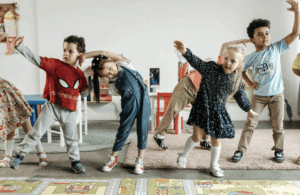
How Communication Programs Autism Services Support Growth
Effective communication programs for autism services focus on helping children strengthen both expressive and receptive language skills.
Expressive language involves communicating thoughts, needs, and ideas. Receptive language involves understanding information from others.
Students may work on skills such as:
- Following directions
- Answering questions
- Expanding vocabulary
- Requesting help appropriately
- Participating in conversations
- Understanding social expectations
- Interpreting facial expressions and emotions
Learning opportunities are integrated throughout the school day so children can practice these skills naturally during classroom activities, play, meals, and peer interactions.
The Role of a Speech Development School Autism Program
A quality speech development school autism program helps children strengthen communication skills while supporting overall educational growth.
Many children benefit from structured teaching methods that make communication easier to understand and practice. Visual supports, modeling, repetition, and guided interaction help students learn new skills in manageable steps.
For example:
- A student learning greetings may practice saying “hello” during morning circle time.
- A child working on conversation skills may participate in partner activities with teacher support.
- Students learning emotional expression may use visual charts to identify how they are feeling.
As communication improves, children often become more comfortable participating in classroom activities and interacting with peers.
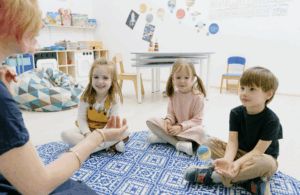
Building Social Learning Through Everyday Experiences
Social development does not happen only during designated lessons. It happens throughout the day during meaningful interactions with others.
This is why social learning autism strategies are incorporated into daily routines at Blossom Kidz Academy.
Students learn important social skills through activities such as:
- Circle time discussions
- Partner learning activities
- Small group projects
- Cooperative games
- Guided playground interactions
- Classroom responsibilities
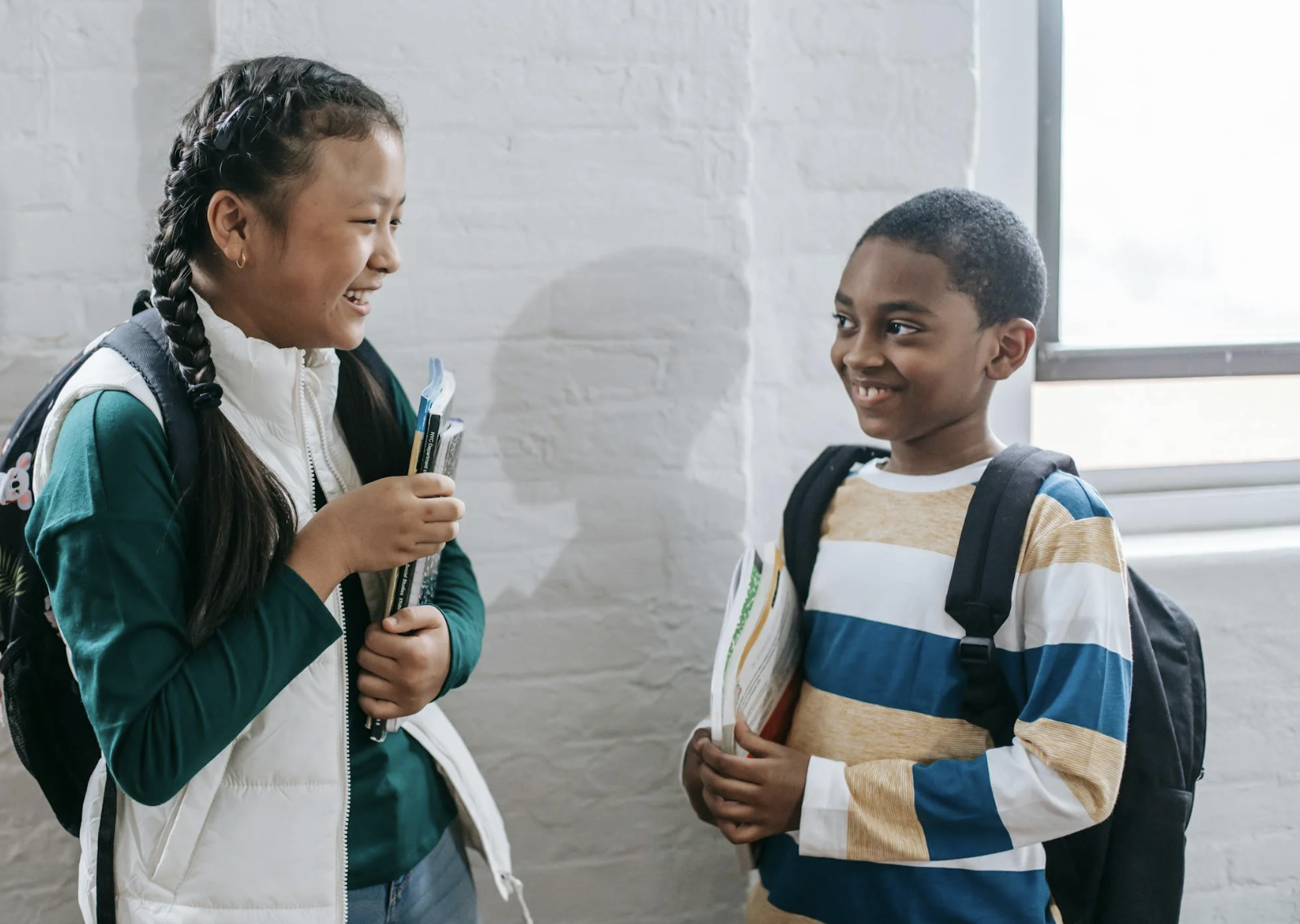
These experiences allow children to practice listening, sharing, taking turns, asking questions, and responding appropriately to peers.
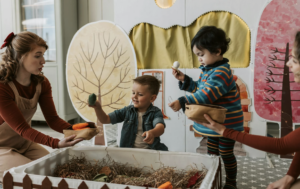
For example, during a group art project, students may learn how to ask for materials, wait patiently, and compliment a classmate’s work. While these moments may seem simple, they help build lifelong social skills.
Why Structured Peer Interaction Matters
Friendships can be challenging for children who struggle with communication or social understanding. Many children need direct instruction and practice to learn how to engage with others successfully.
Structured peer interaction provides opportunities to learn social skills in a safe and supportive environment.
Students may practice:
- Joining group activities
- Introducing themselves
- Taking turns in conversation
- Understanding personal space
- Sharing interests with peers
- Managing disagreements appropriately
Educators provide gentle guidance and positive reinforcement while helping students navigate social situations.
Over time, children begin developing confidence in their ability to connect with others and build meaningful relationships.
Measuring Progress One Step at a Time
Every child’s communication journey looks different. Some students make progress through spoken language, while others develop alternative communication methods that allow them to express themselves more effectively.
At Blossom Kidz Academy, progress is monitored through ongoing observations, assessments, family collaboration, and individualized goals.
Growth may include:
- Using new words or phrases
- Initiating communication more frequently
- Responding to questions independently
- Participating in group activities
- Demonstrating stronger social awareness
- Building peer relationships
Sometimes progress appears in small but meaningful ways. A child making eye contact for the first time during a conversation or independently greeting a classmate can represent an important milestone.
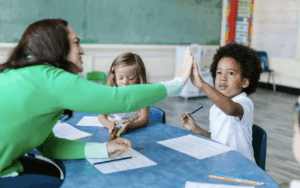
Partnering With Families for Greater Success
Communication development does not stop when the school day ends. Children benefit most when families and educators work together to reinforce skills consistently.
Parents are valuable partners in the learning process. Educators often share strategies that families can use at home to support communication and social development.
Simple activities such as reading together, practicing turn-taking games, encouraging choices, and creating opportunities for conversation can reinforce learning beyond the classroom.
When children experience consistency across environments, they often gain confidence more quickly and apply their skills in a wider variety of situations.
Supporting Communication Through ESA Funding
Many Arizona families use ESA-funded educational services to access specialized educational programs that support communication, social development, and individualized learning.
Understanding available funding options can help families find educational environments that align with their child’s specific needs while providing the support necessary for long-term growth.
Helping Every Child Find Their Voice
Every child deserves the opportunity to be heard, understood, and included. Whether a child is beginning to use words, learning conversational skills, or building friendships, the right educational environment can create opportunities for meaningful progress.
At Blossom Kidz Academy, we celebrate every milestone. From a student’s first successful peer interaction to greater confidence in classroom participation, each achievement represents a step forward.
Through individualized instruction, social learning autism strategies, communication programs, autism services, speech development school autism support, and a nurturing educational environment, children gain skills that can positively impact their lives for years to come.
Help Your Child Build Communication and Social Skills
If your child struggles with communication, social interaction, or building relationships, Blossom Kidz Academy is here to help. Our experienced team provides personalized support designed to help children develop confidence, strengthen communication skills, and connect with the world around them.
Call Blossom Kidz Academy today at (928) 975-0820 to learn more or schedule a tour.
Frequently Asked Questions
1. What is a social skills program at an autism school?
A social skills program at an autism school provides structured support to help children develop communication, friendship-building, emotional regulation, and peer interaction skills. These programs combine academics with guided social learning opportunities throughout the school day.
2. How do communication programs for autism services help children?
Communication programs for autism services help children strengthen expressive and receptive language skills. Students learn how to communicate their needs, follow directions, engage in conversations, and better understand social cues in everyday situations.
3. What does a speech development school autism program focus on?
A speech development school autism program focuses on helping children improve communication through spoken language, visual supports, AAC devices, sign language, and other individualized strategies. The goal is to help each child communicate more effectively and confidently.
4. Why is social learning important for children with autism?
Social learning autism programs help children understand how to interact with others, build friendships, take turns, recognize emotions, and participate in group activities. These skills support success at school, home, and in the community.
5. Can nonverbal children benefit from communication and social skills programs?
Yes. Communication is not limited to spoken words. Many children benefit from alternative communication methods such as picture exchange systems, sign language, gestures, or AAC devices. Programs are tailored to each child’s individual needs and abilities.
6. Does Blossom Kidz Academy accept ESA funding?
Yes. Many families use ESA-funded educational services to access programs at Blossom Kidz Academy. Our team can help families understand available funding options and how they may support their child’s educational goals. Contact us today to tour our school or schedule an appointment.