
Key Points:
- Structured, Supportive Environments: Autism-friendly schools and classrooms provide predictable routines, visual supports, and sensory accommodations to reduce anxiety and enhance learning.
- Individualized, Evidence-Based Strategies: Techniques like ABA, task analysis, and positive reinforcement are used to teach academic, social, and functional skills tailored to each child’s strengths and needs.
- Social, Emotional, and Independence Growth: Through specialized instruction, therapy integration, and safe social opportunities, students develop communication, self-regulation, and life skills in a nurturing, inclusive setting.
What Is an Autism-Friendly School?
An autism-friendly school provides a supportive, structured, and sensory-sensitive environment where autistic students can thrive academically, socially, and emotionally.
These schools value neurodiversity, emphasizing understanding, flexibility, and collaboration rather than expecting students to conform to neurotypical standards.
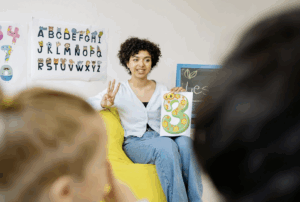
At the heart of this approach is the autism classroom, a predictable, low-stress space with visual supports, clear routines, sensory accommodations, and trained staff.
Such schools are especially beneficial for students needing small class sizes, specialized curricula, integrated therapies (speech, ABA, occupational therapy), and a highly structured environment that mainstream classrooms may not provide.
Who Benefits Most from an Autism School
High-Level Support Needs: Students requiring consistent, tailored support to manage behavioral, communication, or developmental challenges (e.g., ASD Level 2 or 3) benefit greatly from an autism-focused setting.
Access to Specialized Therapies: Children who thrive when therapy, speech, occupational, or behavioral, is integrated into their daily school routine gain significant advantages in skill development and consistency.
Smaller, Nurturing Environment: Learners who find large, noisy, or chaotic mainstream classrooms overwhelming benefit from calm, sensory-friendly, and structured spaces that promote focus and emotional regulation.
Targeted Academic Support: Students with specific learning gaps, including developmental, speech, or motor delays, receive slower-paced, individualized instruction designed to meet their unique needs.
Social and Functional Skills Development: Children needing dedicated, daily interventions to build social, emotional, and independent living skills thrive in a school that prioritizes these areas alongside academics.
Autism-specific schools aim to build confidence, foster independence, and provide a safe, supportive learning environment. For students requiring high, intensive support, these schools often lead to better academic, social, and functional outcomes than mainstream settings can provide.
Key Features of an Autism-Friendly School Include:
Environmental Adjustments (Sensory-Friendly)
A thoughtfully designed physical environment is foundational in any autism-friendly school.
Lighting & Sound
- Natural light or dimmable lighting instead of harsh fluorescent lights
- Reduced background noise and sound-absorbing materials where possible
Reduced Visual Clutter
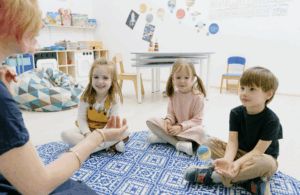
- Organized classrooms with clearly defined zones for learning, play, and relaxation
- Minimal wall displays to avoid visual overload
Quiet Areas
- Designated, non-punitive spaces where students can regulate when overwhelmed
- Equipped with calming tools such as weighted items or fidgets
Safety & Routine
- Predictable daily schedules
- Advance notice for transitions or changes to routines
Teaching and Learning Strategies in an Autism Classroom
An effective autism classroom uses structured, evidence-based instructional approaches tailored to individual learners.
Visual and Structured Supports
- Visual schedules and timetables
- PECS (Picture Exchange Communication System)
- Written, pictorial, or symbol-based instructions
Clear and Manageable Instruction
- Breaking tasks into small, achievable steps
- Using concrete, direct language
- Keeping classroom rules simple and focused on safety
Individualization
- Adapting teaching strategies to match each child’s communication style, strengths, and sensory profile
Social and Emotional Support
Social-emotional well-being is central to success in an autism-friendly school.
Understanding Neurodiversity
- Educating the school community to respect and value different ways of thinking, communicating, and learning
Supportive, Trained Staff
- Teachers trained to recognize autism-specific needs and strengths
- Proactive support for emotional regulation and communication challenges
Safe Social Opportunities
- Structured, guided social interactions
- Support during unstructured times such as recess or transitions
Communication and Collaboration
Strong collaboration ensures consistency and progress across environments.
- Regular communication between teachers, parents, therapists, and support staff
- Coordinated strategies across home and school
- Descriptive praise and strength-based feedback
- Clear communication protocols among staff to support safety and emotional regulation
Structural Accommodations in Autism-Friendly Schools
Autism-friendly schools provide practical tools that support regulation and organization, such as:
- Sensory tools (fidget toys, noise-canceling headphones)
- Flexible seating (wobble stools, floor cushions)
- Color-coded timetables matching books or folders
- Scheduled sensory or movement breaks
ABA in the Classroom: Strategies and Examples
ABA in the classroom uses evidence-based strategies, such as positive reinforcement, token systems, task analysis, and visual supports, to encourage positive behaviors and teach new skills. These approaches help students understand expectations, reduce anxiety, and build independence through consistency and reinforcement.
Token Economy Systems: Students earn tokens, stickers, or pom-poms for specific behaviors such as staying on task or following instructions. Tokens are later exchanged for preferred rewards like extra recess time or small prizes.
Positive Reinforcement: Desired behaviors are immediately reinforced with specific verbal praise or rewards, such as acknowledging a student for sharing with a peer or remaining seated during a lesson.
Task Analysis: Complex, multi-step activities are broken down into smaller, teachable steps, such as dividing paragraph writing into planning, drafting, and revising, to support skill mastery.
Prompting and Fading: Teachers provide prompts (verbal, gestural, or physical) to help students complete tasks, then gradually reduce support to promote independence.
Visual Schedules: Pictures, symbols, or written checklists outline daily routines and transitions, helping students anticipate changes and reducing anxiety or behavioral challenges.
Differential Reinforcement: Appropriate replacement behaviors (e.g., requesting a break) are reinforced instead of challenging behaviors (e.g., yelling or leaving the seat).
Environmental Engineering: The classroom environment is intentionally arranged to reduce distractions, such as seating a student away from busy doorways or closer to instructional support.
Functional Behavior Assessment (FBA): Educators assess the underlying purpose of a behavior (e.g., task avoidance or attention-seeking) to design targeted, effective intervention plans.
When used consistently, these ABA strategies support academic learning, social development, and functional skills, creating a structured classroom environment that helps students succeed and build lasting independence.

Individualized Education Programs (IEPs) in Autism-Friendly Schools
An Individualized Education Program (IEP) is a legally binding plan designed to ensure students with disabilities receive a free and appropriate public education in the least restrictive environment.
Key Aspects of an IEP
- Eligibility for students with disabilities such as autism
- Collaborative development with parents, teachers, and specialists
- Annual review and progress monitoring
- Clear documentation of goals, services, and accommodations
The IEP Process
- Identification & Referral – Concerns are raised by parents or educators
- Evaluation – Comprehensive assessments across multiple domains
- IEP Team Meeting – Goals and services are determined collaboratively
- Implementation – Supports and accommodations are provided as written
- Review & Revision – Progress is reviewed annually or as needed

Key IEP Components to Support Success
Present Levels of Performance (PLAAFP): Detailed data describing the student’s current academic, social, and functional skills.
Behavior Intervention Plan (BIP): Proactive, individualized strategies designed to reduce challenging behaviors and teach appropriate replacement skills.
Related Services: Targeted supports such as speech therapy, occupational therapy (OT), or structured social skills groups, delivered according to the student’s needs.
Common Classroom Accommodations for Autism
Environmental Supports
- Preferential seating away from distractions
- Access to a designated quiet or “focus” corner
Sensory Supports
- Noise-canceling headphones
- Access to fidget tools or sensory items
Instructional Supports
- Visual schedules and First–Then boards
- Visual timers to support transitions
- Instructions broken down into clear, manageable steps
How SMART IEP Goals in the Classroom Can Look
Social / Communication: By [Date], the student will independently initiate an interaction with a peer (e.g., greeting, asking to play) in 3 out of 5 opportunities, as measured by teacher observation.
Augmentative Communication: By [Date], the student will use a tablet or picture exchange communication system (PECS) to appropriately request a break or preferred item in 4 out of 5 trials across settings.
Behavioral / Self-Regulation: By [Date], when experiencing feelings of overwhelm, the student will independently use a self-selected calm-down strategy or request a break, reducing emotional outbursts from five times per week to one time per week, as tracked through behavior data.
Executive Functioning: By [Date], the student will follow a visual checklist to pack up materials and submit assignments with 90% accuracy over consecutive school days.
Behavior Intervention Plans (BIPs) Within IEPs
When behavior interferes with learning, a BIP may be included within an IEP.
For example, replacing throwing objects with a visual request for a break or help supports skill development while maintaining dignity and safety.
Why Autism-Friendly Schools Matter
An autism-friendly school and autism classroom are not about lowering expectations; they are about removing barriers. Through thoughtful design, trained staff, structured supports, and collaborative planning, these environments allow autistic students to feel safe, understood, and capable.
When schools embrace predictability, sensory awareness, and neurodiversity-affirming practices, every child gains the opportunity to learn, grow, and belong.
Key Benefits of Specialized Autism Classrooms
Structured Environments: Predictable routines and organized learning materials, such as visual schedules, help reduce anxiety and improve focus and engagement.
Sensory-Friendly Design: Classrooms are intentionally adapted to manage sensory input, offering calmer, less overwhelming spaces that support regulation and attention.
Specialized Instruction: Teachers implement individualized education plans (IEPs) and tailored strategies, including visual supports like Numberpals and Alphapals, to address each student’s academic, communication, and behavioral needs.
Improved Communication and Social Skills: Targeted interventions support the development of communication, social interaction, and daily living skills in meaningful, structured ways.
Increased Independence: Visual aids and consistent routines encourage students to complete tasks independently and build confidence in their learning.

Benefits of Inclusive (General Education) Classrooms
Peer Modeling: Autistic students benefit from observing and interacting with neurotypical peers, supporting the development of communication, social, and academic skills.
Reduced Stigma: Inclusive classrooms promote acceptance and understanding of neurodiversity, fostering empathy and reducing stigma or bullying.
Social Development: Opportunities such as group projects, buddy systems, and cooperative learning help build friendships and strengthen social competence.
Shared Benefits Across Both Settings
Individualized Support: When thoughtfully implemented, both specialized and inclusive classrooms provide personalized learning approaches that maximize each student’s potential.
Emotional Well-Being: Supportive, understanding environments reduce stress, improve self-esteem, and contribute to overall happiness and well-being.
Choosing the right learning environment for your child is one of the most important decisions you’ll make, and you don’t have to navigate it alone.
At Blossom Kidz Academy, every child is seen, supported, and encouraged to grow at their own pace in a nurturing, autism-aware environment. If you’re exploring options or ready to take the next step, contact our team.
FAQs
- What is an autism-friendly school, and how is it different from a mainstream school?
An autism-friendly school is designed specifically to support students on the autism spectrum. It provides structured routines, sensory-friendly environments, individualized instruction, and trained staff who understand neurodiversity. Unlike mainstream schools, these settings focus on removing barriers rather than expecting students to conform to neurotypical standards.
- How does an autism classroom support my child’s learning and independence?
Autism classrooms use visual schedules, predictable routines, sensory supports, and individualized teaching strategies. Techniques such as ABA, task analysis, and positive reinforcement help students learn new skills, regulate emotions, and complete tasks independently, building confidence and self-reliance.
- What types of therapies are integrated into autism-specific schools?
Many autism-friendly schools offer on-site therapies, including speech and language therapy, occupational therapy, and behavioral support (such as ABA). Integrating these therapies into daily lessons ensures consistency and helps children apply skills in real-life situations.
- What are IEPs and BIPs, and how do they help my child?
An Individualized Education Program (IEP) is a legal plan that outlines your child’s unique learning goals, accommodations, and services. A Behavior Intervention Plan (BIP) is often part of the IEP and provides strategies to address challenging behaviors while teaching positive alternatives. Together, they ensure your child receives personalized support to succeed academically, socially, and emotionally.
- Should my child attend a specialized autism classroom or an inclusive classroom?
The best choice depends on your child’s individual needs. Specialized classrooms provide small class sizes, intensive support, and individualized instruction for children who require high-level intervention. Inclusive classrooms allow autistic students to learn alongside neurotypical peers, promoting social interaction, peer modeling, and understanding of neurodiversity. Many families find a combination of both approaches works best.