
Key Points:
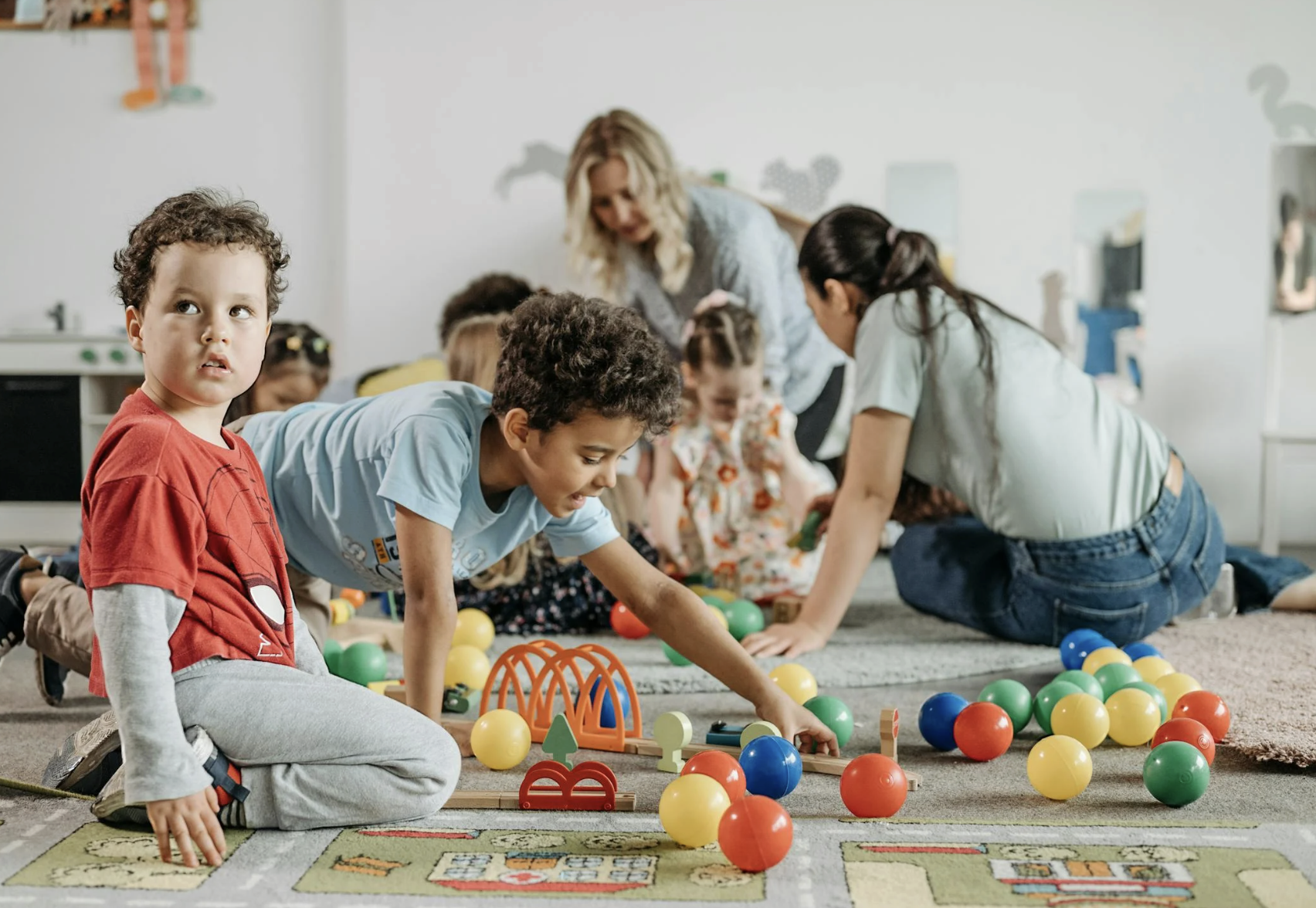
- Blossom Kidz Academy creates sensory-friendly classrooms where children with autism can thrive.
- Sensory supports help improve focus, regulation, and learning.
- Early intervention builds skills that support long-term success.
Has your child ever come home from school exhausted, frustrated, or shut down? Not because the day was too long, but because the environment itself was too much? For many children with autism, sensory processing challenges, or ADHD, the traditional classroom can feel relentless. Bright lights, unpredictable noise, crowded spaces, and constant transitions all add up fast.
The right classroom design changes everything. This article explains how sensory support classrooms work, why they matter for pediatric autism programs, and what parents should look for when choosing a school.
What Is a Sensory Support Classroom?
A sensory support classroom is a learning space intentionally designed to meet the sensory and emotional needs of children with autism, ADHD, and other learning differences. Every element is considered, from the lighting and layout to the textures on the walls and the sounds in the room.
This is not about making a classroom softer or quieter unintentionally. It is about removing the barriers that prevent children with autism from learning.
Children who spend their energy managing sensory overwhelm have very little left for actual learning. When the environment supports their nervous system, they can focus, engage, and grow.
What an Autism Classroom in Arizona Looks Like in Practice
At Blossom Kidz Academy, a special needs school in Yuma, Arizona, each classroom is built with these principles in mind. Here is what that looks like day to day:
Lighting: Classrooms use soft, adjustable lighting that reduces glare and harsh brightness. Fluorescent overhead lights are one of the most common sensory triggers for children with autism. Removing or dimming them makes an immediate difference in comfort and focus.
Color and visual clutter: Walls use calming color palettes and minimal decoration. Busy, cluttered visual environments pull attention in too many directions. Clean, organized spaces help children stay grounded.
Calm corners: Each classroom includes a designated calm corner, a quiet space with cozy seating, weighted items, and sensory tools. Children use these spaces to take short, structured breaks when they feel overwhelmed. Over time, this teaches them to recognize and manage their own emotions, a foundational skill in any autism education strategy.
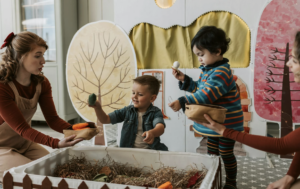
Tactile materials: Sensory bins, textured wall panels, and fidget tools give children safe ways to engage their senses throughout the day. These tools keep children grounded without disrupting the learning environment.
Flexible seating: Not every child learns best sitting in a chair at a desk. Options like wobble seats, floor cushions, or standing surfaces allow children to move their bodies in ways that support focus rather than fight it.

Sensory Integration in School: Why It Supports Learning
Sensory integration refers to the brain’s ability to receive, process, and respond to sensory information from the environment. Many children with autism experience this process differently. Their brains may over- or under-respond to input like sound, touch, light, or movement.
When schools incorporate sensory integration into their approach, they support the whole child, not just the academic parts. At Blossom Kidz Academy, sensory and behavior support is woven into the daily school experience, not treated as an add-on.
This makes a measurable difference in child behavior support outcomes. Children who feel physically comfortable and emotionally regulated are far more able to participate in learning activities, build relationships, and develop new skills.
Positive Behavior Reinforcement: A Core Autism Education Strategy
Behavior is a form of communication. When a child melts down, shuts down, or refuses to participate, they are telling us something. Effective autism education strategies start with understanding what the child is trying to express.
At Blossom Kidz Academy, educators and behavior specialists use a range of special education techniques built around positive reinforcement. These include:
- Visual schedules that help children understand what is coming next
- Token systems and reward charts that recognize effort and progress
- Calm redirection rather than punishment when challenges arise
- Consistent, predictable routines that reduce anxiety throughout the day
These strategies do more than manage behavior. They build trust, foster independence, and help children develop a genuine sense of accomplishment. Over time, students learn that their choices matter and that positive actions lead to positive outcomes.
Every behavior plan at Blossom Kidz Academy is individualized. Whether a child needs visual prompts, sensory breaks, or gentle reminders, the team adapts with empathy and consistency. This is at the heart of special needs learning done well.
The Role of Therapists in an Adaptive Learning Program
Sensory and behavior support works best when educators and therapists work together. At Blossom Kidz Academy, occupational therapists and behavioral therapists collaborate closely with classroom teachers to design adaptive learning programs that address the whole child.
Occupational therapists support autism skill development by helping children build sensory processing skills, fine motor abilities, and self-care independence. They often recommend specific tools, such as weighted vests, fidget items, or flexible seating, that make learning more accessible.
Behavioral therapists help children learn coping strategies, understand their triggers, and express emotions more effectively. Together with classroom teachers, they create plans that promote consistent, calm behavior throughout the school day.
Families are part of this team. Parents receive regular updates, practical strategies, and guidance for reinforcing positive habits at home. This connection between school and home strengthens the impact of full-day specialized education and ensures continuity for the child.
Early Intervention Makes a Lasting Difference
The earlier children access structured, sensory-informed support, the stronger their long-term outcomes. An early intervention school does not wait for a child to reach a crisis point before responding. It builds communication, self-regulation, and social skills from the ground up, during the years when the brain is most receptive.
Families in Yuma and across Arizona who seek out pediatric autism programs early give their children a significant advantage. The window of early development is valuable, and the right environment can shape a child’s confidence and capabilities for years to come.
If you are considering inclusive education that prioritizes both learning and emotional well-being, it is worth exploring what a sensory-informed school can offer.
Funding Support Available
Arizona’s Empowerment Scholarship Account (ESA) program allows families to use public education funds for approved private schools. Blossom Kidz Academy welcomes ESA-funded students and can guide families through the process of accessing ESA-funded educational services.
Specialized education may be more within reach than you expect.
Ready to See the Difference for Yourself?
If your child struggles with sensory sensitivities, emotional regulation, or difficulty managing school transitions, you do not have to keep searching for answers alone. The right environment can transform your child’s experience.
We invite you to enroll at Blossom Kidz Academy or reach out to learn more about our programs. Come and see our sensory-informed classrooms for yourself.
Contact us in Yuma: (928)-975-0820
Email us: Info@blossomkidzacademy.com
Or share your details on our website’s contact page, and we will call you.

Frequently Asked Questions
1. What makes a sensory support classroom different from a regular classroom?
A sensory support classroom is designed specifically to reduce sensory triggers and support emotional regulation. Adjustable lighting, calm corners, tactile tools, and predictable routines all serve a purpose. Every design choice supports the child’s ability to focus and learn.
2. How do I know if my child needs a sensory-informed school environment?
Signs include frequent meltdowns after school, difficulty transitioning between activities, strong reactions to noise or light, or consistent reports from teachers that your child cannot focus or regulate in class. These are signals worth taking seriously.
3. Are occupational therapists available at Blossom Kidz Academy?
Yes. Occupational and behavioral therapists work alongside educators at Blossom Kidz Academy to support each child’s individual needs. Therapy is integrated into the school day rather than treated separately.
4. Can I visit the classrooms before enrolling?
Absolutely. Families are encouraged to tour the school and see the sensory spaces firsthand. Seeing the environment in person is often the clearest way to understand how it supports children.
5. Does Blossom Kidz Academy accept ESA funding?
Yes. The school welcomes students funded through Arizona’s ESA program. Reach out to the team for guidance on accessing and applying this funding.